


Funding and staffing cuts. Dismantling the agency, moving the headquarters to Utah, shuttering research stations. A devastating vote to remove protections for the Boundary Waters in the Superior National Forest. The U.S. Forest Service is under assault by both the Trump cabinet and Congress. And now the agency is destroying itself from the inside as well—with a proposed rule to vastly increase mining activity in national forests while minimizing public input and environmental reviews.
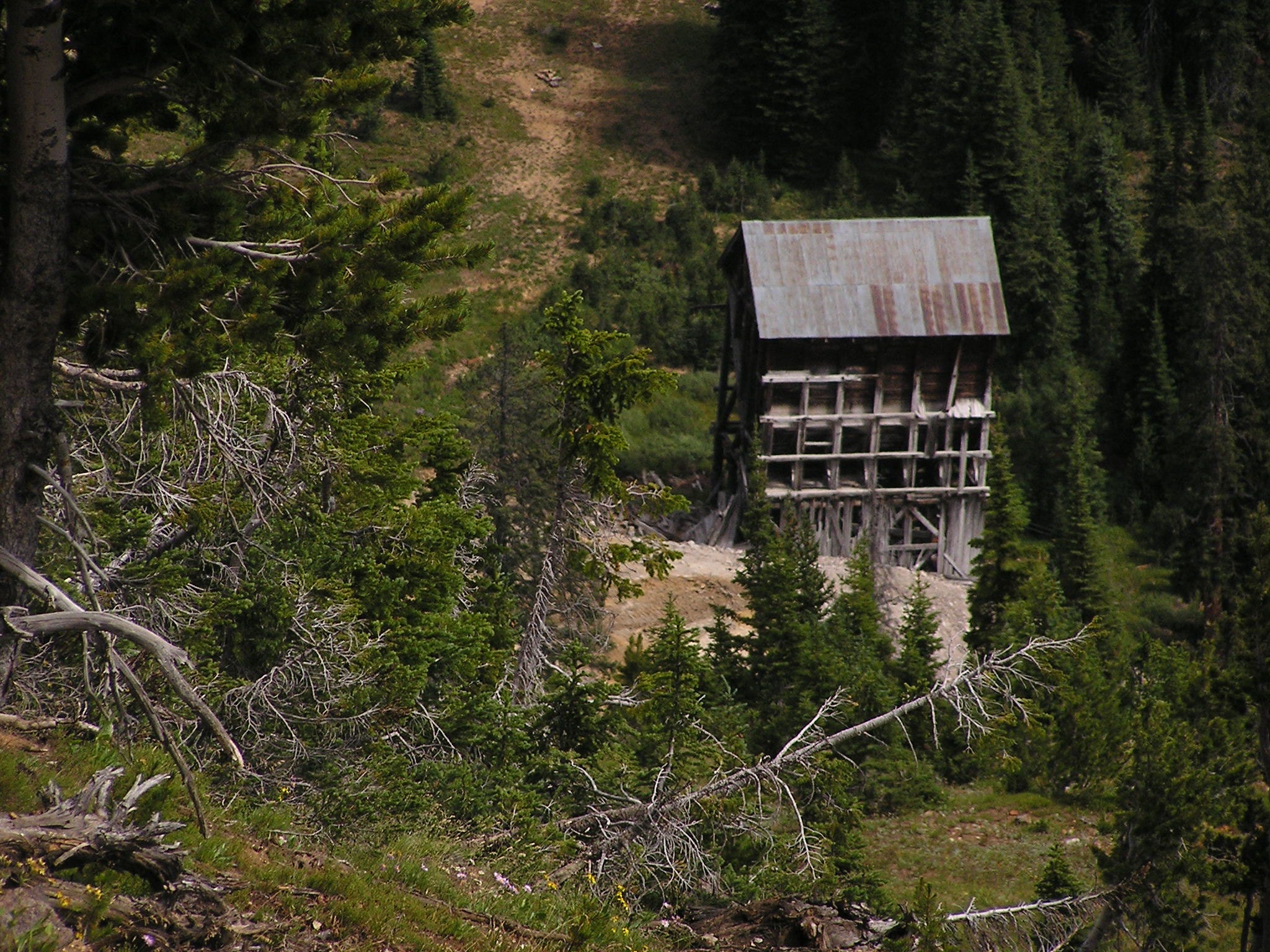
While the middle of the woods might seem an unlikely place for a mine, mining activity does take place in national forests. Under current regulations, a mining company (or an individual) that wants to explore for minerals on national forest land may do so, but they have to prepare and submit a plan of operations to the Forest Service, which evaluates the plan’s environmental impacts and seeks input from the public. This helps to identify and address any potential impacts and conflicts early in the process. For example, the agency or the public can raise concerns about impacts to recreation access, wildlife and their habitats, or streams and other water sources, and the mining company can adjust its plan to avoid those impacts.
However, the Forest Service is proposing to upend this system by introducing a new “notice-level operations” concept that would allow mining companies to explore for minerals on up to five acres of Forest Service land without needing Forest Service approval, and without the opportunity for environmental review or public notice and input. Under a new rule proposed by the agency, a mining company that wants to explore for minerals would have to notify the Forest Service, but would not need to notify the public or submit a plan for environmental review. Furthermore, if the Forest Service does not respond to the company’s announcement of its intent to explore for minerals after 60 days, the exploration is automatically approved and the company can move forward with no feedback from the agency. Most importantly, there would be no notice to the public or opportunity for communities to raise concerns. This could mean drilling holes and other mining activity in the middle of a trail or sensitive wildlife habitat, or close to a stream that provides water for people and animals alike—and the public wouldn’t know about it until digging or construction has already begun.
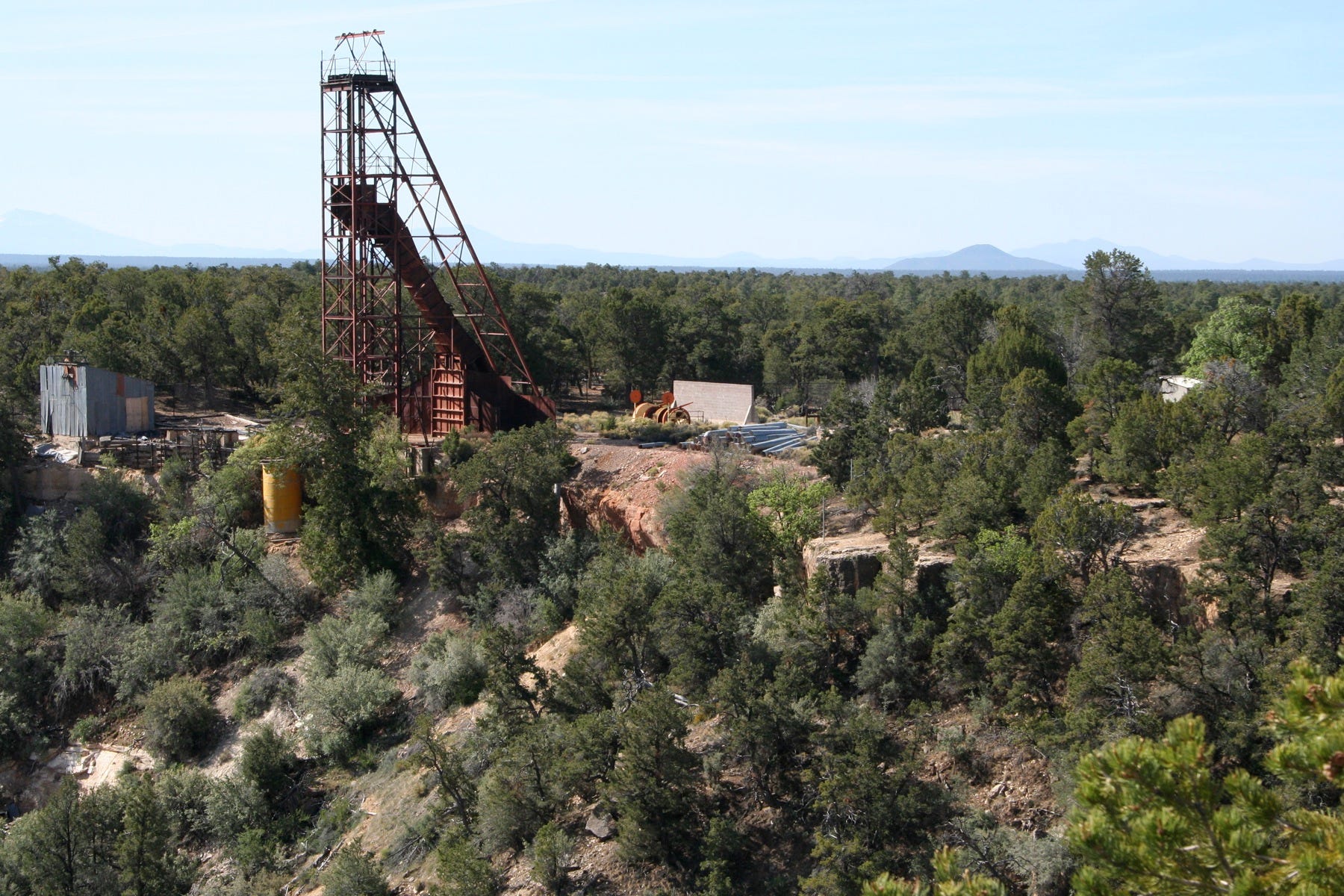

If mining companies don’t have to submit plans, conduct environmental reviews, or notify the public anymore, they will undoubtedly be more likely to go on proverbial fishing expeditions for future mines in national forests. With fewer steps and the likelihood that exploration will be automatically approved, and without the need to take into account the public’s concerns or other uses of the land, digging for minerals in national forests would become easier and faster at the expense of recreation access, wildlife habitat, and clean drinking water. The public would be kept in the dark about how their lands and resources are being used until it’s too late to object to or modify the project.
Once minerals have been discovered on national public lands, existing law makes it trivial to secure strong rights to those minerals without compensating the owners—American taxpayers. This is due to the Mining Law of 1872, which was designed to incentivize mining exploration and encourage settlement in the West in the decades following the Civil War. This 150-year old law is still on the books, almost entirely untouched by Congress.
For this reason, offering companies a path to expedited stealth permitting at the front end of the process makes it that much more difficult for communities to stop or influence a mining project once it’s started. However, neglecting to engage the public early in the process can also backfire; when communities are left out of the process, opposition can mount and lead to challenges and lawsuits that can end up taking longer than if the company had communicated with the public from the beginning.

The proposed rule does contain some good ideas. A 60-day window for the Forest Service to review exploration notices is better than the 15-day window on Bureau of Land Management lands. The proposed rule provides clear criteria around financial assurances—essentially, a security deposit the company will lose if its activities cause damage to the land and must be cleaned up. And the rule provides more clarity about the standards to which companies will be held when it comes to protecting the land and its many resources.
However, these improvements would be more than outweighed by the impacts of significantly increased mineral exploration that would result from the loophole offered by the “notice-level operations” framework. Tuesday, April 21 is the final day of the public comment period on the proposed rule. Anyone who hikes and camps in national forests, drinks water in the West, or cares about wildlife and their habitats should speak up for these values and demand that the American people, who own these forests and their resources, should have the largest say in how they are managed.
For more information, visit westernpriorities.org. Sign up for Look West to get daily public lands and energy news sent to your inbox, or subscribe to our podcast, The Landscape.
Do these lunatics ever take break from their campaigns of death and destruction? Signs point to no. 😒
Wth???! I can't stand all of the terrible changes that are happening every single day in the U.S. and *so many* of the states are being desiccated!! 😡 😡 😭