


The Senate’s bipartisan permitting bill would give President Trump and Interior Secretary Doug Burgum two years to approve data centers, nuclear reactors, and nuclear waste storage on public lands, then make those approvals nearly impossible for a future president to undo. Section 1401 of the bill bars agencies from revoking or changing a permit except in very narrow cases, and Section 1402 makes taxpayers pay developers if a future administration slows down a whole category of projects. As we explain in our main analysis, that could lock in projects like Valar Atomics’ “Project Beehive,” which would put 456 nuclear reactors on 9,000 acres of BLM land in Utah. But the bill’s problems don’t stop with data centers.
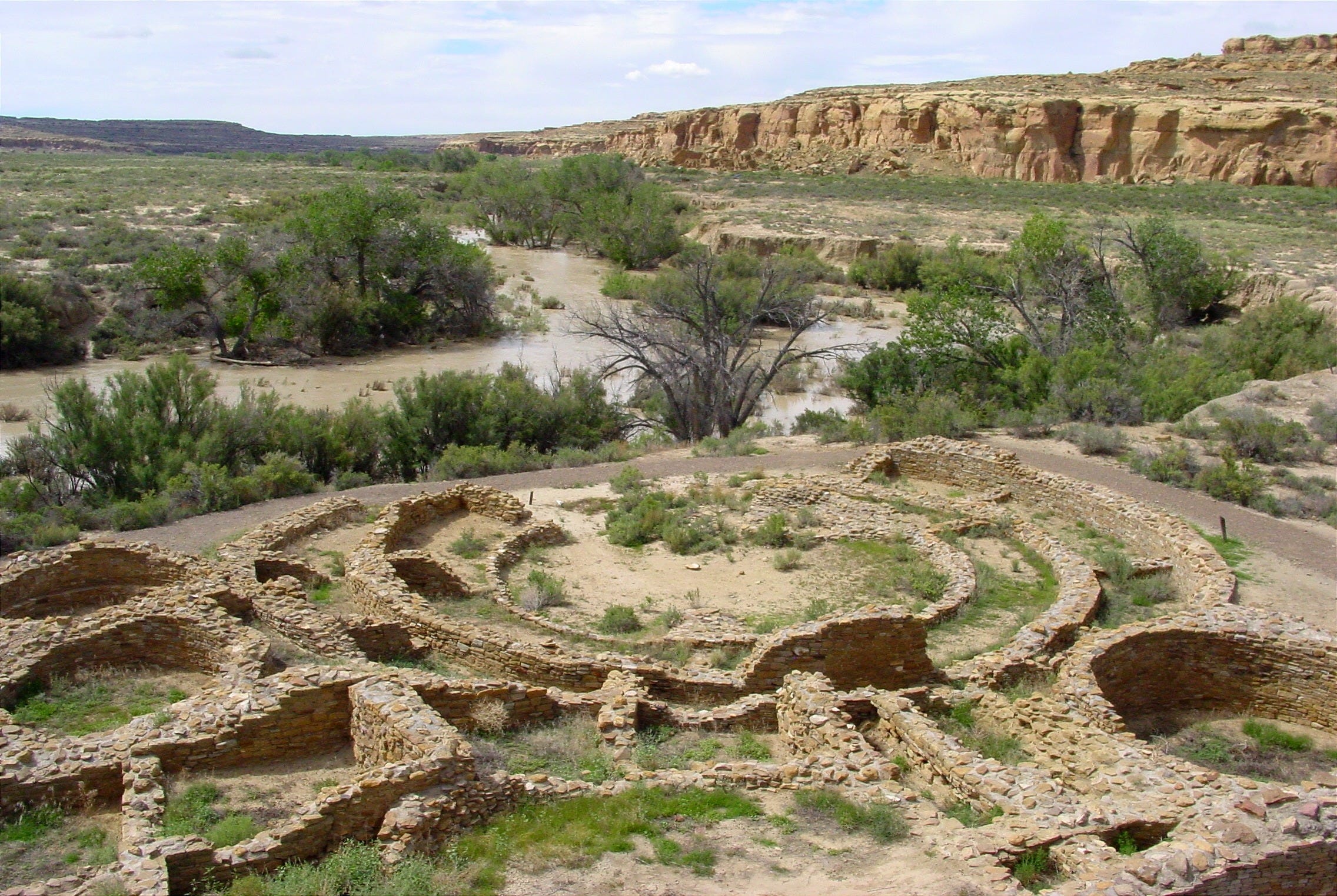
Tribes are already fighting it: The bill also rewrites Section 106 of the National Historic Preservation Act, the process that requires federal agencies to consult with Tribes before a project damages historic and sacred sites. On October 9, nine Tribal organizations, including the National Congress of American Indians and the Native American Rights Fund, asked the sponsors to strip the language entirely. Narrower definitions mean Tribes may never learn a project is coming, they wrote, “all but guaranteeing that construction through sacred places will proceed without the involvement of Tribal nations.” Agencies would identify historic sites and judge the damage on their own, then consult Tribes on a finished report. Tribal historic preservation offices that miss the bill’s new deadlines could have their funding suspended, and if they aren’t back in compliance within two years, Burgum’s Interior Department would take over their work.
Senator Martin Heinrich of New Mexico, the top Democrat on the Senate Energy and Natural Resources Committee and one of the bill’s four authors, says the bill “preserves the federal government’s obligation to consult with Tribes.” By the Tribes’ account, that consultation would occur only after the conclusions are written. Bryan Newland, the Assistant Secretary of Indian Affairs at Interior under President Joe Biden, put it bluntly to Politico: “I don’t want you to dig up my ancestors and this bill removes a lot of those safeguards.” Representative Melanie Stansbury, Heinrich’s fellow New Mexico Democrat, now opposes the bill: “Tribal sovereignty and consultation ... will always be my line in the sand.” Burgum has called the National Historic Preservation Act, along with the National Environmental Policy Act and the Endangered Species Act, “the trifecta of how to legally attempt to stop things from being built in America.” The permitting bill would gut it.
The climate benefits are questionable at best: Supporters are selling the permitting bill on affordability and jobs (it’s right there in the name). They used to claim it would address climate as well, but that argument has largely vanished. On October 3, Adam Jentleson of the Searchlight Institute wrote that the bill would cut power-sector emissions by nine percent, citing a study from C2ES and Greenline Insights. But that study modeled only the transmission and grid-connection reforms across four regions, not the entire country, and came out the same day as the bill text. Even in that analysis, however, methane-powered electricity keeps growing. Thirteen days later, Jentleson’s Searchlight colleague Jane Flegal wrote on X that judging the bill “thru the lens of immediate emissions impacts” is “hard & maybe counterproductive,” even as she maintained clean energy comes out ahead.
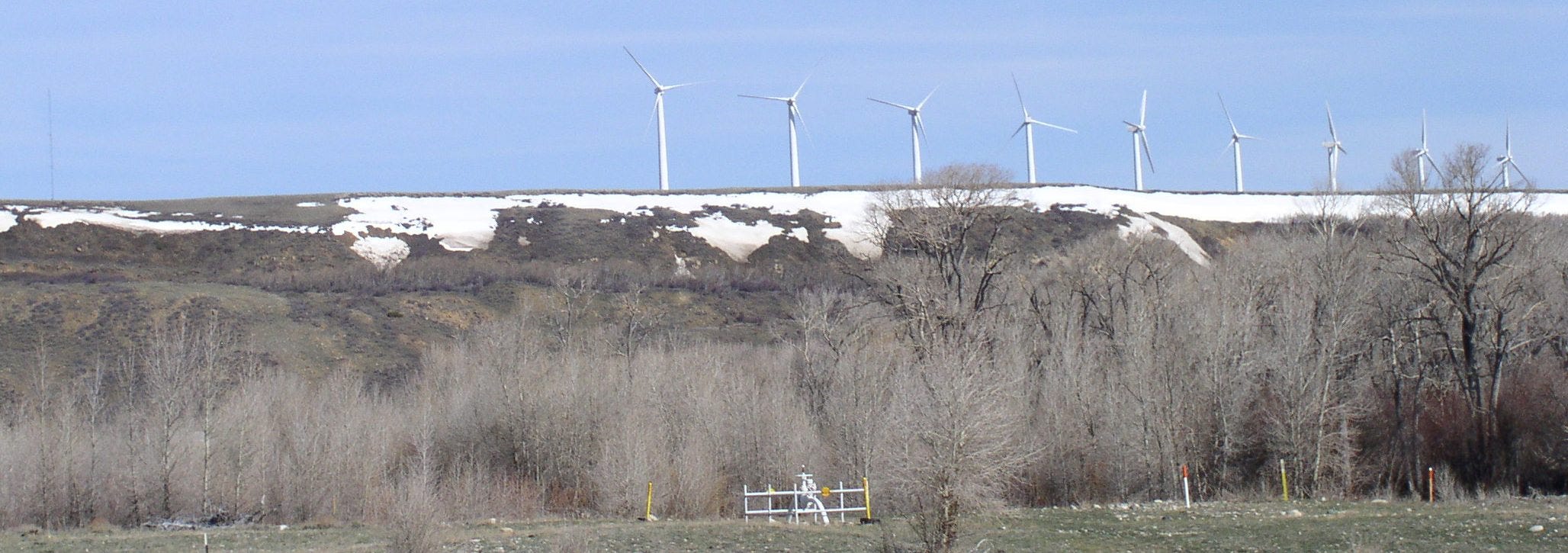
The most thorough look at the bill’s climate impacts so far comes from the Center for Energy and Environmental Analysis, which on October 19 compared nine modeling scenarios covering both halves of what the bill would speed up. The transmission scenarios cut U.S. emissions by zero to four percent. The scenarios for a gas buildout to serve data centers, petrochemical plants, and exports show far larger potential increases. Even a modest push in that direction, CEEA’s Jeremy Symons concludes, “could swamp the clean energy benefits,” since new clean power is now meeting new demand instead of replacing fossil fuels. Meanwhile, the AI race is pushing developers toward more methane production, like Rhea Data’s proposed data center and gas plant on more than 3,200 acres of BLM land south of Boise.
The whole nuclear fuel cycle: Section 1402’s payouts extend to nuclear fuel enrichment, reprocessing, and storage, making it costly for any future administration to slow them down. The Energy Department is courting states to host nuclear campuses that combine fuel enrichment, reprocessing, and permanent disposal of spent fuel, and could host data centers. Utah is one of five finalists.
Endangered species: The bill cuts the deadline for Endangered Species Act consultations, where Fish and Wildlife Service biologists review a project’s risks to threatened and endangered species, from 90 days to 60. It also lets states take over the federal government’s job of judging whether a project will push a species toward extinction, with the Interior secretary deciding which states qualify. Developers who’d rather deal with Trump officials can still choose federal review. Once a biological opinion is signed, Section 1401 shields it like any other permit. The bill’s exceptions cover urgent threats to “life, property, national security, or defense,” excluding wildlife from the list.


Oil and gas on autopilot: The 2025 reconciliation law already requires Interior to offer onshore oil and gas leases at least four times a year in nine states, most of them in the West. The permitting bill would make what those mandates produce far harder to undo. Every drilling permit Burgum issues would get Section 1401’s shield. A future administration that slowed new oil and gas permits would invite Section 1402 lawsuits seeking 50 to 100 percent of a project’s expected construction cost.
Offshore drilling: In addition to 30 Gulf of Mexico lease sales required by the reconciliation law, Interior’s draft offshore leasing plan schedules lease sales off California starting in 2027. Any lease sold before January 2029 would be shielded from day one. If Burgum and Trump moved to lift a moratorium on offshore drilling off Florida, those lease sales could also get locked in under the permitting bill.
Subsidies for favored companies: Justin Pidot, a University of Arizona law professor who served as general counsel of the White House Council on Environmental Quality, warns that Section 1401 “could be used to subsidize an administration’s favored projects outside of annual appropriations.” An administration could alter a friendly company’s permit, then settle by reversing the change and paying the company 25 to 50 percent of the project’s cost from the Judgment Fund, without a judge ever getting involved. In effect, the Judgment Fund could become a slush fund, with no vote of Congress required.
For more information, visit westernpriorities.org. Sign up for Look West to get daily public lands and energy news sent to your inbox, or subscribe to our podcast, The Landscape.